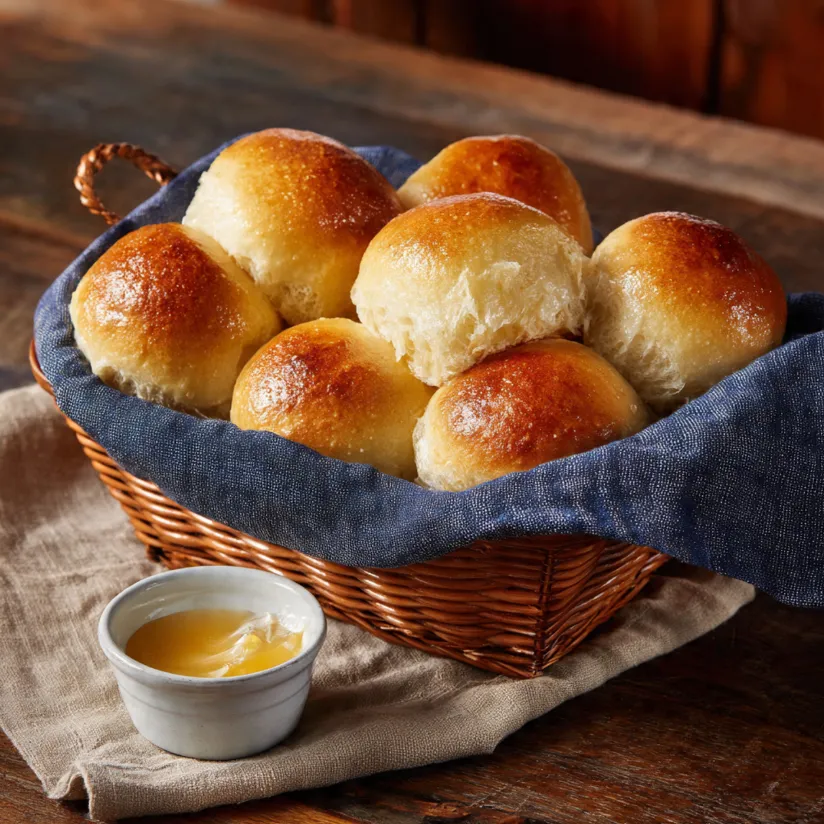
Unlock the Secret to Perfect Pillow-Soft Dinner Rolls Every Time
Imagine biting into a warm cloud – a dinner roll so incredibly soft it practically melts in your mouth, leaving behind a subtle sweetness and a hint of butter. Its crust is thin and golden, giving way to a tender, fine crumb that pulls apart effortlessly. This isn't just a dream for professional bakers; it's an achievable reality for every home cook, and we're here to reveal the secrets to consistently making the most perfect pillow-soft
dinner rolls every single time.
For many, the idea of baking with yeast can seem daunting, a culinary Everest that often leads to dense, dry, or inconsistent results. But what if we told you that creating bakery-style
soft dinner rolls doesn't have to be fussy or complicated? This comprehensive guide distills years of testing and perfecting into a foolproof method designed to empower you, transforming your kitchen into a haven of irresistible, homemade bread.
The Quest for Pillow-Soft Perfection: Why Most Dinner Rolls Fall Flat (and How to Fix It)
The journey to truly perfect
dinner rolls is often paved with good intentions but sometimes yields less-than-ideal outcomes. Common culprits include tough texture, a crumb riddled with large, uneven holes, or rolls that quickly go stale. We understand the frustration, having rigorously tested various flour combinations, kneading techniques, and rising schedules to identify the exact steps that genuinely impact the final texture and flavor.
The key to achieving that coveted "pillow-soft" consistency lies in a delicate balance: balancing speed with profound flavor, and structure with an ethereal tenderness. Many recipes prioritize one aspect over another, but the ultimate goal is a dependable roll that rises beautifully, slices cleanly for sandwiches, and serves as the ideal accompaniment to anything from a hearty roast dinner to a simple weeknight soup.
Our perfected method focuses on several critical elements often overlooked:
gentle kneading that develops gluten without overworking it, maintaining the
right liquid temperature to activate yeast without killing it, and a
short, strategic second rise to ensure a fine, even crumb. By paying close attention to these seemingly minor details, you'll consistently produce fluffy
dinner rolls that rival any artisan bakery.
Decoding the Science Behind Fluffy Dinner Rolls: Key Ingredients & Techniques That Truly Matter
Understanding the 'why' behind each step transforms a recipe from a list of instructions into a powerful tool. Here's a breakdown of the core principles that make these
dinner rolls uniquely soft, flavorful, and reliable.
The Power of Gentle Mixing & Strategic Rising
One of the most crucial insights is that yeast activity needs to be concentrated just enough. Our method employs gentle mixing and a slightly shorter first rise. This approach encourages the yeast to work its magic without over-developing the gluten or producing excessive gas pockets, which can lead to large, undesirable holes in the crumb. The result? A tighter, more tender crumb that feels incredibly soft and plush. This intentional control over yeast ensures your
dinner rolls remain consistently pillowy, rather than airy or tough.
The Role of Fat & Moisture
A modest amount of fat, specifically unsalted butter, is indispensable for creating truly soft and luxurious
dinner rolls. Beyond adding a rich, delicate flavor, butter plays a vital role in keeping the crumb tender by interfering with gluten development, making it softer. Crucially, it also extends the shelf life of your rolls by slowing down the staling process, meaning your homemade goodness stays fresh longer.
Equally important is the precise temperature of your liquid. Warm whole milk (ideally between 38–43°C or 100–110°F) acts as the perfect environment for activating the yeast. More than just a catalyst, the warm milk also hydrates the flour effectively and helps the gluten relax. This relaxation is key; it makes the dough wonderfully supple and easy to shape without needing excessive force or overworking, which can lead to tough rolls. Be careful not to exceed 49°C (120°F), as higher temperatures will quickly kill your yeast, rendering your dough lifeless.
The Golden Crust Secret
That beautiful, thin, golden crust that crackles ever so slightly before giving way to the soft interior isn't just for aesthetics. A final wash—whether it's an egg wash (for deeper color and shine) or a milk wash (for a softer, less intense finish)—is applied just before baking. This step creates a delicate barrier that browns exquisitely in the oven while simultaneously helping the roll underneath remain incredibly soft and tender. It’s a small step that makes a significant visual and textural difference.
Flour Power: All-Purpose vs. Bread Flour
The choice of flour might seem minor, but it subtly influences the final texture and height of your
dinner rolls. Our recipe has been rigorously tested with both all-purpose and bread flour, demonstrating its forgiving nature.
- All-purpose flour (360g / 3 cups) typically yields a very soft, delicate crumb.
- Bread flour (375g / 3 1/4 cups) with its higher protein content, develops slightly more gluten, resulting in slightly taller, chewier rolls while still maintaining a beautiful softness.
If you're exploring whole-wheat flour for added nutrition, we recommend substituting no more than 25% of the total flour and potentially adding an extra 15–30 ml (1–2 tbsp) of liquid to compensate for whole wheat's higher absorption. This flexibility ensures you can tailor your rolls to your preference without compromising the core recipe's integrity.
Yeast, Sugar, and Salt: The Unsung Heroes
Each ingredient plays a specific, vital role:
- Instant Yeast (8g / 2 1/4 tsp): This is your fast-acting, reliable leavening agent. If using active dry yeast, remember to proof it in the warm milk first and use 25% more.
- Granulated Sugar (30g / 2 tbsp): Not just for sweetness, sugar feeds the yeast, encouraging robust activity, and also contributes to the beautiful browning of the crust.
- Salt (8g Diamond Crystal kosher salt / 1 1/2 tsp, or 1 tsp Morton): Salt is crucial for controlling yeast activity, ensuring it doesn't ferment too quickly. It also profoundly enhances the flavor of the dough, preventing it from tasting bland. Note: Brand matters! Diamond Crystal has larger flakes than Morton, so adjust volume accordingly.
Your Foolproof Blueprint: Step-by-Step for Bakery-Style Dinner Rolls
With the "why" understood, let's look at the "how." Our recipe is crafted for home cooks, providing precise measurements (both metric and imperial) and sensory cues to guide you at every stage, making the process incredibly intuitive. For a deeper dive into making these amazing homemade breads, check out our guide on
Bakery-Style Soft Dinner Rolls: Achieve Fluffy, Tender Crumbs Easily.
Essential Tools for Success
While hand-kneading is absolutely possible and rewarding (using a sturdy mixing bowl and wooden spoon), a
stand mixer with a dough hook is highly recommended for ease and efficiency, especially for achieving the perfect gluten development without overworking. A
kitchen scale is also highly recommended for precise ingredient measurement; baking is a science, and accuracy leads to consistent results.
Practical Tips for Perfect Dinner Rolls Every Time
- Measure by Weight: Whenever possible, use a kitchen scale for flour, sugar, and salt. Volume measurements can vary greatly.
- Mind the Temperature: Ensure your milk is the correct temperature for yeast activation. Your kitchen environment also matters; a warm, draft-free spot is ideal for rising.
- Don't Over-Knead: Over-kneading develops too much gluten, leading to tough rolls. Knead until the dough is smooth, elastic, and passes the "windowpane test" (you can stretch a small piece thin enough to see light through it without tearing).
- Trust Your Senses, Not Just the Clock: Rising times are estimates. Look for visual cues: the dough should be visibly puffy and doubled in size for the first rise, and gently puffed for the second.
- Gentle Shaping: When shaping your rolls, handle the dough gently to avoid deflating the precious air bubbles created during the first rise.
- Baking Temperature: Ensure your oven is preheated properly and maintain a consistent temperature for even baking and browning.
Beyond the Basic: Creative Pairings and Finishing Touches for Your Dinner Rolls
While these
fluffy dinner rolls are divine on their own, their neutral, slightly sweet flavor makes them an incredibly versatile "blank canvas." They are, of course, the quintessential accompaniment to a hearty roast dinner, a comforting beef stew, or a simple weeknight pasta. They also pair wonderfully with quick weeknight menu ideas – simply pop them in the oven while you prepare one of your favorite fast recipes. If you're looking to conquer your fear of yeast and create these wonders, our guide to
Easy Homemade Dinner Rolls: Conquer Yeast for Fluffy Perfection can help.
Consider these enhancements:
- Herbs: Mix finely chopped fresh rosemary, thyme, or chives into the dough.
- Garlic Butter: Brush with melted garlic butter after baking for an aromatic twist.
- Cheese: Incorporate shredded cheddar or Parmesan into the dough or sprinkle on top before baking.
- Sweet Glaze: For a sweeter roll, brush with a simple powdered sugar glaze after cooling.
- Flaky Sea Salt: A sprinkle of flaky sea salt on top of the melted butter finish adds a wonderful textural contrast and flavor pop.
The possibilities are truly endless, allowing you to customize your
homemade dinner rolls to suit any meal or mood.
In conclusion, crafting perfect pillow-soft
dinner rolls every time is not a mystical art but a learnable skill rooted in understanding key ingredients and techniques. By embracing gentle kneading, precise temperature control, and mindful rising, you unlock the secret to bakery-quality bread in your own kitchen. The unparalleled joy of pulling apart a warm, fluffy roll, fresh from the oven, is an experience that elevates any meal and gathers loved ones around the table. Don't be afraid of the yeast; with this guide, you're not just baking rolls, you're creating edible clouds of happiness. So go ahead, preheat your oven, and prepare to delight your senses!