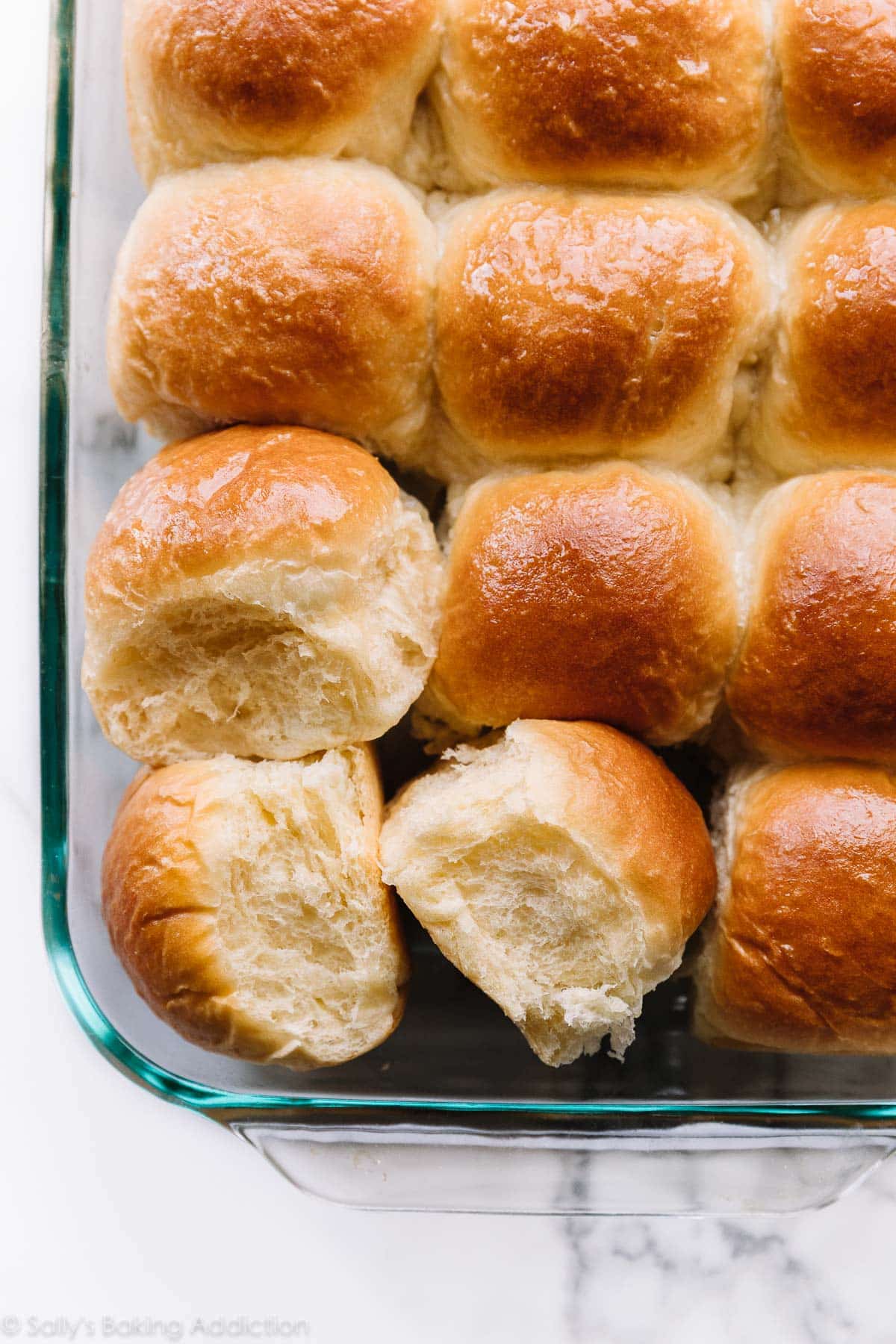
Imagine biting into a warm, cloud-like creation: a tender crumb yielding to a faint buttery sheen, encased in a thin, golden crust. This isn't just a dream; it's the experience of a perfectly baked, bakery-style soft dinner roll, and it's surprisingly achievable in your own kitchen. Forget dense, dry, or inconsistent results. We're here to guide you through the process of creating easy homemade dinner rolls that are consistently pillowy, rise beautifully, and slice cleanly for any occasion. Whether you're a seasoned baker or taking your first foray into yeast dough, this comprehensive guide will equip you with the insights and techniques to master the art of the soft dinner roll, turning every meal into a comforting celebration.
Why Homemade Dinner Rolls Are a Game Changer
There’s a unique satisfaction that comes with serving warm bread, fresh from your oven. Homemade dinner rolls aren't just a side dish; they're an experience. They elevate a simple weeknight soup, complement a grand roast dinner, and make an ideal canvas for mini sandwiches or sliders. Beyond the sheer delight of their taste and texture, baking your own provides several compelling advantages:
- Unmatched Freshness: Nothing compares to the aroma and flavor of bread baked just hours, or even minutes, before serving.
- Customization: From a sprinkle of flaky sea salt to a brush of garlic herb butter, you control the finishing touches and flavor profile.
- Pride of Creation: There’s immense satisfaction in presenting a basket of golden, fluffy rolls you made from scratch. It's a culinary triumph that impresses guests and delights family.
- No Mystery Ingredients: You know exactly what goes into your food, avoiding preservatives or artificial flavors often found in store-bought options.
- Economical: Making bread at home is often far more cost-effective than purchasing bakery equivalents, especially when you consider the quality.
This particular method focuses on striking a perfect balance between speed, exquisite flavor, and a structure that holds up, ensuring a reliable recipe for home cooks.
The Science of Softness: Unlocking the Tender Crumb
Achieving that signature "pillow-soft" texture isn't magic; it's a careful dance of ingredients and technique. After extensive testing, key principles have emerged that reliably produce consistently tender, fluffy dinner rolls. Understanding these steps empowers you to bake with confidence, recognizing the sensory cues that signal success:
Precise Mixing and Proofing for a Fine Crumb
- Gentle Mixing & Short First Rise: Unlike some breads that benefit from a long, slow rise, these rolls thrive on gentle handling and a concentrated yeast activity. This method encourages a tight, tender crumb without developing large, undesirable holes. The yeast works just enough to develop flavor and structure, but not so much that it over-proofs and creates an open, airy texture that would compromise the rolls' characteristic softness.
- The Role of Fat (Butter): A crucial ingredient for softness and shelf life. A moderate amount of butter adds richness and, more importantly, keeps the crumb incredibly tender. Butter coats the gluten strands, preventing them from forming too strong a network, resulting in that melt-in-your-mouth texture. It also slows down the staling process, meaning your rolls stay soft longer. While neutral oil can be substituted, butter truly enhances the flavor profile.
- Warm Milk and Gluten Relaxation: Warm whole milk does double duty: it optimally activates the yeast and provides essential hydration to the flour. The warmth also aids in relaxing the gluten, making the dough incredibly pliable and easy to shape without needing to overwork it. Overworking dough can lead to tough rolls, so this initial relaxation is key.
- The Golden Crust: A final egg or milk wash applied before baking isn't just for aesthetics. It encourages a beautiful, thin golden crust while simultaneously ensuring the roll remains supremely soft underneath. The egg wash provides a slight sheen and rich color, while a milk wash offers a softer, more subtle finish.
- Flour Forgiveness: This recipe is remarkably forgiving regarding flour choice. Testing with both all-purpose and bread flour revealed that the method yields excellent results either way. Bread flour, with its higher protein content, tends to give slightly taller, chewier rolls, while all-purpose flour results in a supremely soft and delicate crumb. For those hesitant about yeast baking, exploring Easy Homemade Dinner Rolls: Conquer Yeast for Fluffy Perfection can build your confidence.
Essential Ingredients: Your Toolkit for Tender Dinner Rolls
The foundation of any great bake lies in its ingredients. For these fluffy dinner rolls, quality and understanding the role of each component are paramount. Here's a detailed breakdown:
- Flour (All-Purpose or Bread Flour):
- All-Purpose Flour (360 g / 3 cups): Ideal for a very soft, tender crumb. Its balanced protein content creates enough structure without excessive chewiness.
- Bread Flour (375 g / 3 1/4 cups): For slightly taller rolls with a bit more chew and structure due to its higher protein.
- Pro Tip: While you can experiment, swap no more than 25% whole wheat flour, and consider adding 15-30 ml (1-2 tbsp) extra liquid to compensate for its higher absorbency.
- Instant Yeast (8 g / 2 1/4 tsp): Fast, reliable, and doesn't require proofing before mixing. If using active dry yeast, proof it in the warm milk for 5-10 minutes until foamy, and use 25% more (about 10 g / 2 3/4 tsp).
- Granulated Sugar (30 g / 2 tbsp): Feeds the yeast, promoting a good rise, and contributes to the beautiful browning of the crust. It also adds a subtle sweetness that balances the savory notes.
- Kosher Salt (Diamond Crystal: 8 g / 1 1/2 tsp; Morton: 1 tsp): Crucial for controlling yeast activity (preventing over-proofing) and, most importantly, for seasoning the dough. The brand matters due to differing crystal sizes and therefore weight per volume. Always weigh salt if possible for accuracy.
- Unsalted Butter (56 g / 4 tbsp softened for dough, plus 15 g / 1 tbsp melted for brushing): Softened butter for the dough adds unparalleled richness and ensures a tender, moist crumb. The melted butter brushed on top after baking provides a beautiful sheen and extra flavor. You can substitute a neutral oil like canola or vegetable, but the rolls will have a milder flavor profile.
- Whole Milk (240 ml / 1 cup, warmed to 38–43°C / 100–110°F): Activates the yeast and fully hydrates the flour. The temperature is critical: too cold and the yeast won't activate; too hot (above 49°C / 120°F) and you risk killing the yeast. Use a thermometer for accuracy.
- Large Egg (1, for dough): Adds richness, contributes to a finer crumb structure, and aids in browning the crust. For an egg-free version, you can generally omit it, or substitute with a flax egg (1 tbsp ground flaxseed + 3 tbsp water, rested for 5 mins) or an equivalent non-dairy milk.
- Optional Finishers: Extra melted butter and flaky sea salt for a gourmet touch. The salt adds a pleasant textural crunch and enhances the flavor.
Mastering the Method: Step-by-Step to Bakery Perfection
While the ingredients are important, the technique truly brings these soft dinner rolls to life. Here’s how to navigate the process with confidence, focusing on the steps that make all the difference:
Essential Equipment
A few tools can make the process much smoother:
- Stand Mixer with Dough Hook: Highly recommended for effortless kneading, ensuring proper gluten development without overworking.
- Sturdy Mixing Bowl & Wooden Spoon: If you're kneading by hand, choose a large, stable bowl. Hand kneading is a great workout and connects you with your dough!
- Kitchen Scale: Highly recommended for precise measurement of flour, salt, and yeast. Baking is a science, and accuracy leads to consistent results.
- Instant-Read Thermometer: Essential for verifying milk temperature, preventing yeast mishaps.
Key Procedural Tips for Fluffy Success
- Gentle Kneading: Whether by mixer or hand, the goal is to develop enough gluten for structure but not too much that the rolls become tough. With a stand mixer, knead for about 5-7 minutes until the dough is smooth and elastic. By hand, this might take 8-12 minutes. The dough should pass the "windowpane test" – you should be able to stretch a small piece thin enough to see light through it without tearing.
- Liquid Temperature is Paramount: As mentioned, milk temperature (38–43°C / 100–110°F) is crucial for yeast activation. Always check with a thermometer. If it’s too hot, let it cool; if too cool, gently warm it further.
- The First Rise (Bulk Fermentation): This recipe calls for a relatively short first rise. This is intentional. It allows yeast activity to concentrate just enough to yield a tender, tight crumb. Look for the dough to visibly increase in size, becoming puffy but not necessarily doubled. Sensory cues are important here – the dough should feel soft and slightly airy.
- Shaping for Uniformity: Divide the dough into equal portions. A kitchen scale helps achieve uniform sizes, ensuring even baking. Gently shape each piece into a smooth, tight ball. Avoid excessive flour during shaping, as it can dry out the dough.
- The Short Second Rise (Proofing): This final rise is brief, just enough for the rolls to puff up again. Over-proofing here can lead to a coarse crumb and a collapsed structure. Look for the rolls to look noticeably larger and feel airy.
- Baking Cues: Bake until golden brown. The internal temperature of a fully baked roll should be around 93-96°C (200-205°F). Brushing with melted butter immediately after baking adds shine, flavor, and contributes to the soft crust. For more in-depth techniques, Unlock the Secret to Perfect Pillow-Soft Dinner Rolls Every Time for advanced tips.
Serving Suggestions and Customization
These versatile fluffy dinner rolls are a blank canvas for culinary creativity. While perfect with a simple pat of butter, don't hesitate to experiment:
- Classic Pairings: They are the quintessential accompaniment for roast chicken, beef, or pork, as well as hearty stews and weeknight soups.
- Sandwich Stars: Their consistent, tender crumb makes them perfect for slider buns. Fill with pulled pork, mini burgers, or chicken salad.
- Savory Enhancements: Before baking, sprinkle with dried herbs like rosemary or thyme, or a dash of garlic powder for an aromatic twist. You can also mix in shredded cheese (cheddar or Parmesan) into the dough or on top during the last few minutes of baking.
- Sweet Surprises: Though designed for savory meals, these rolls can lean sweet. Brush with a honey-butter glaze after baking or sprinkle with cinnamon sugar for a morning treat.
Conclusion
Baking bakery-style soft dinner rolls at home is not just possible; it's a rewarding culinary journey that yields truly exceptional results. By understanding the precise roles of ingredients and mastering a few key techniques—gentle kneading, proper liquid temperature, and mindful proofing—you can consistently achieve that coveted fluffy, tender crumb. These dependable rolls, born from meticulous testing, will quickly become a cherished staple in your kitchen, perfect for elevating any meal, any day of the week. So, gather your ingredients, trust the process, and prepare to delight in the warm, comforting magic of homemade bread.
